For most of the last decade, genetic testing in a wellness clinic has meant one of two things: a consumer ancestry kit a patient brings in and asks you to interpret, or a pharmacogenomic panel built for psychiatry and cardiology that says nothing about the protocols you actually run. Neither was designed for a practice whose core work is peptide therapy, hormone optimisation and longevity.
The ProxiGene Biosynthetix Panel is the first genetic panel built specifically for that practice. It is provider-ordered, run in a CLIA-certified laboratory, and its report does something no other DNA test does: it traces each of a patient's high-priority genetic variants through the biological pathway it affects and out to the peptides, supplements, diet, lifestyle changes and lab markers associated with that pathway. This article explains what is in the panel, how the report is built, how clinicians are using it, and where its limits are.
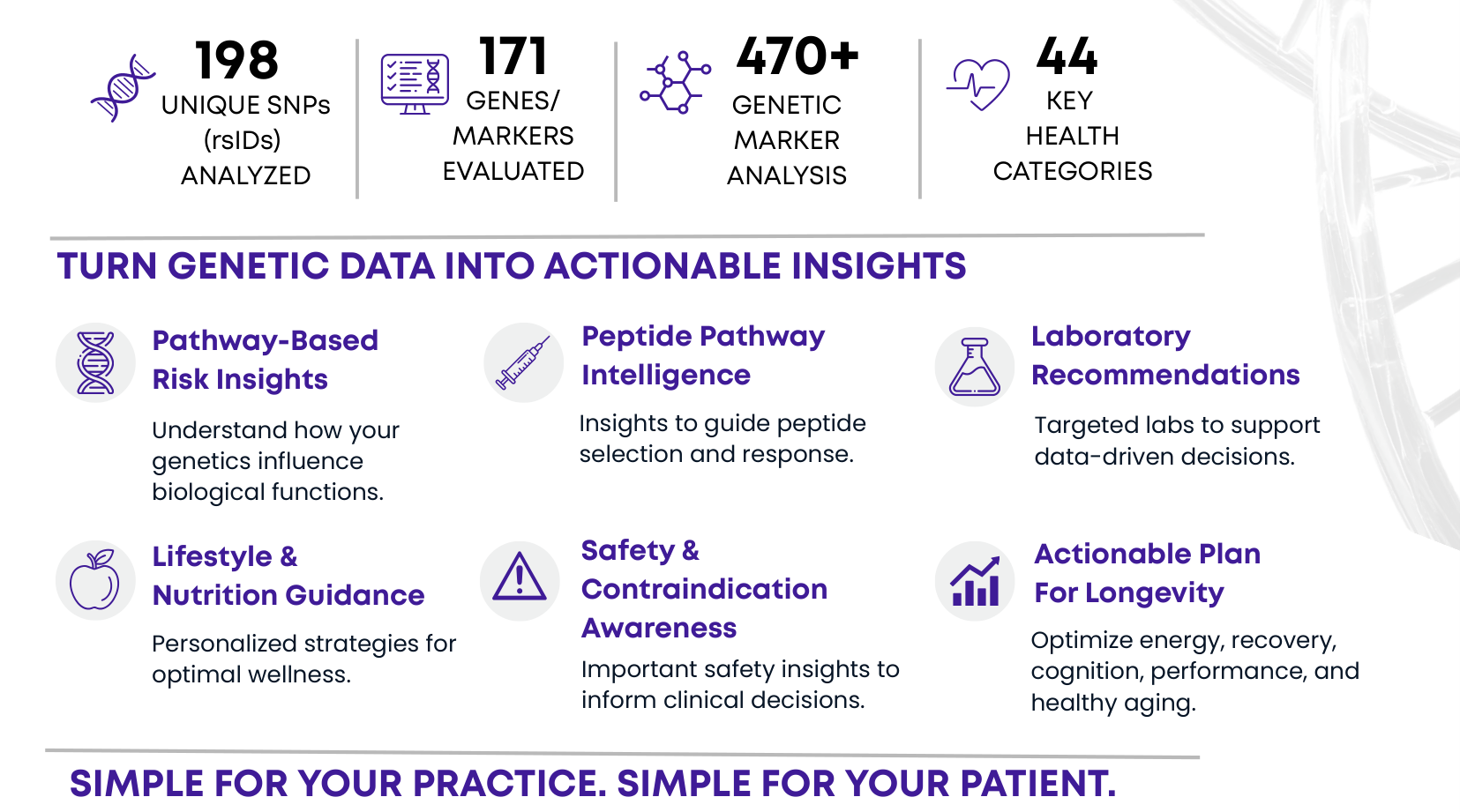
ProxiGene analyzes 198 unique genetic variants across 171 genes and 44 key pathways to reveal how your body is designed to respond to specific peptides, nutrients, and lifestyle strategies.
The problem the panel was built to solve
Genomic data is easy to generate and hard to use at the point of care. A raw genotype file lists hundreds of thousands of variants with no organisation, no priority and no connection to anything a clinician would do differently on Tuesday morning. The translation gap runs from genotype to pathway to a conversation the patient can actually follow, and every step of it costs time.
There is a second problem specific to peptide clinics. The pharmacogenomic tools that do exist were built to answer questions about drug metabolism in conventional pharmacotherapy. They are excellent at telling you a patient is a CYP2C19 poor metaboliser. They have nothing to say about GLP-1 receptor variants, growth hormone axis genes, collagen and skin ageing markers, or the mitochondrial and methylation pathways that underlie most longevity work. Most genetic tools are built around disease risk. Almost none are built around healthspan, performance and optimisation.
Clinicians have variants but no organised read of what they mean together. The Biosynthetix Panel exists to provide that read, and to stop at the point where clinical judgement takes over.
What is in the panel
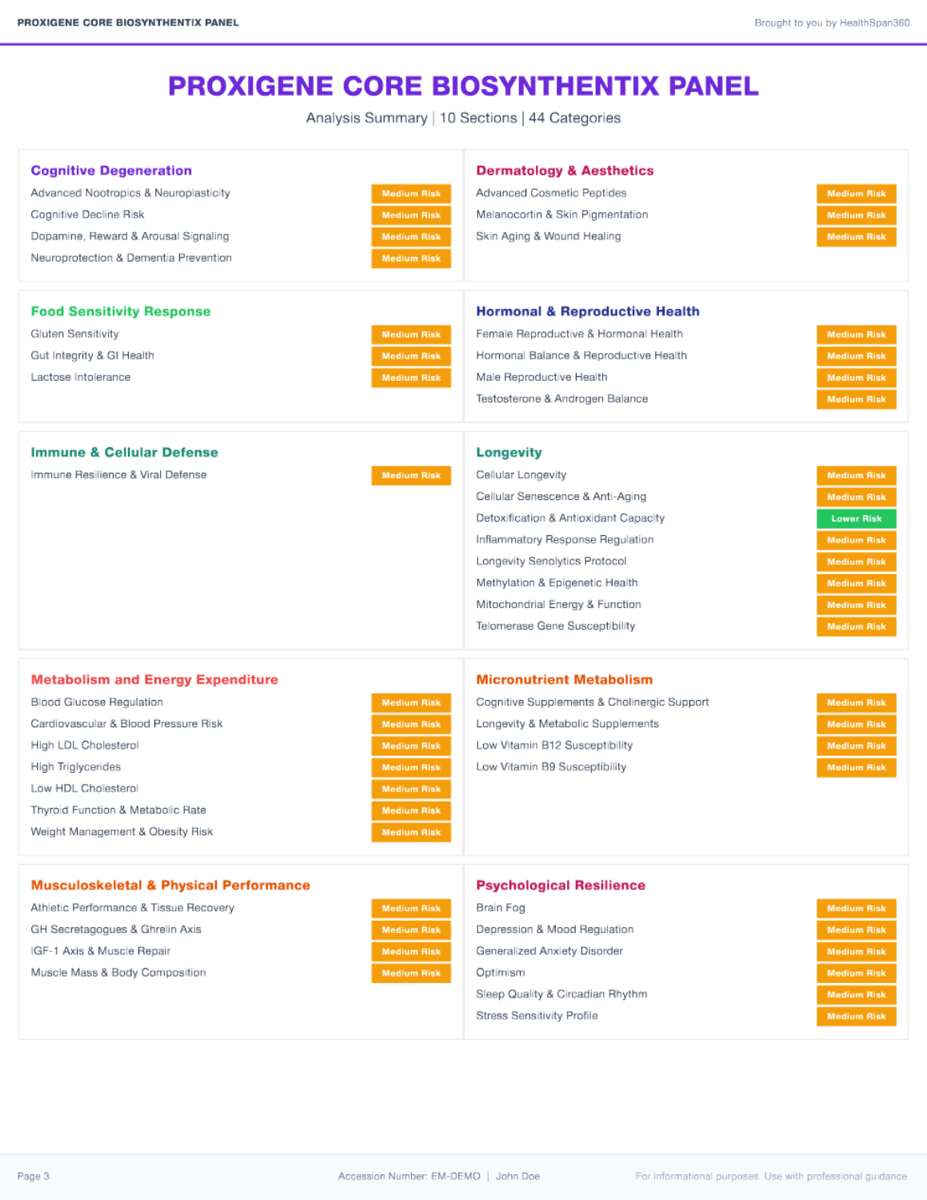
The panel scores 161 curated single-nucleotide polymorphisms across 136 genes. Those variants are organised into 44 subcategories under ten clinical sections, and each subcategory resolves to a single risk band. Because a variant can inform more than one subcategory, the 161 SNPs produce 614 placements across the report.
The ten sections
- —Longevity: 8 subcategories, 64 SNPs. Cellular senescence, telomerase susceptibility, mitochondrial energy, methylation and epigenetic health, detoxification and antioxidant capacity, inflammatory regulation, senolytic protocol response.
- —Metabolism and Energy Expenditure: 7 subcategories, 51 SNPs. Blood glucose regulation, weight management and obesity risk, LDL, HDL and triglyceride handling, thyroid function and metabolic rate, cardiovascular and blood pressure risk.
- —Psychological Resilience: 6 subcategories, 33 SNPs. Stress sensitivity, anxiety, depression and mood regulation, sleep quality and circadian rhythm, brain fog, optimism.
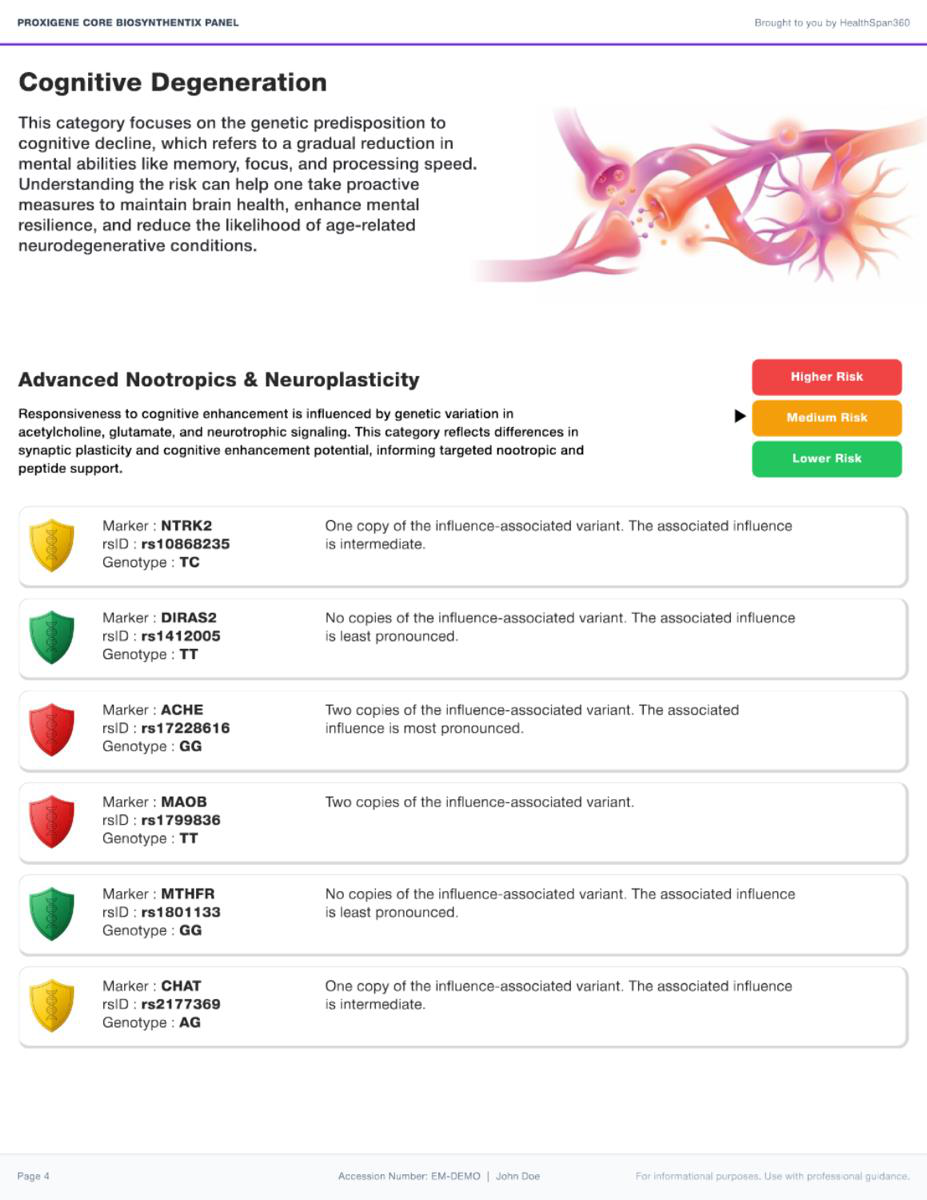
- —Cognitive Degeneration: 4 subcategories, 33 SNPs. Cognitive decline risk, neuroprotection and dementia prevention, dopamine and reward signalling, nootropic and neuroplasticity responsiveness.
- —Musculoskeletal and Physical Performance: 4 subcategories, 32 SNPs. Athletic performance and tissue recovery, growth hormone secretagogue and ghrelin axis, IGF-1 axis and muscle repair, muscle mass and body composition.
- —Micronutrient Metabolism: 4 subcategories, 28 SNPs. Vitamin B12 and B9 susceptibility, cognitive and cholinergic supplement response, longevity and metabolic supplement response.
- —Dermatology and Aesthetics: 3 subcategories, 22 SNPs. Skin ageing and wound healing, melanocortin and pigmentation, cosmetic peptide responsiveness.
- —Hormonal and Reproductive Health: 4 subcategories, 20 SNPs. Testosterone and androgen balance, male and female reproductive health, hormonal balance.
- —Immune and Cellular Defense: 1 subcategory, 19 SNPs. Immune resilience and viral defense.
- —Food Sensitivity Response: 3 subcategories, 18 SNPs. Gluten sensitivity, lactose intolerance, gut integrity and GI health.
If you run GLP-1 programmes, growth hormone secretagogue protocols, tissue repair stacks, aesthetic peptides or hormone optimisation, every one of those categories has a section in this report that speaks directly to it.
How a finding is built: genotype, pathway, peptide
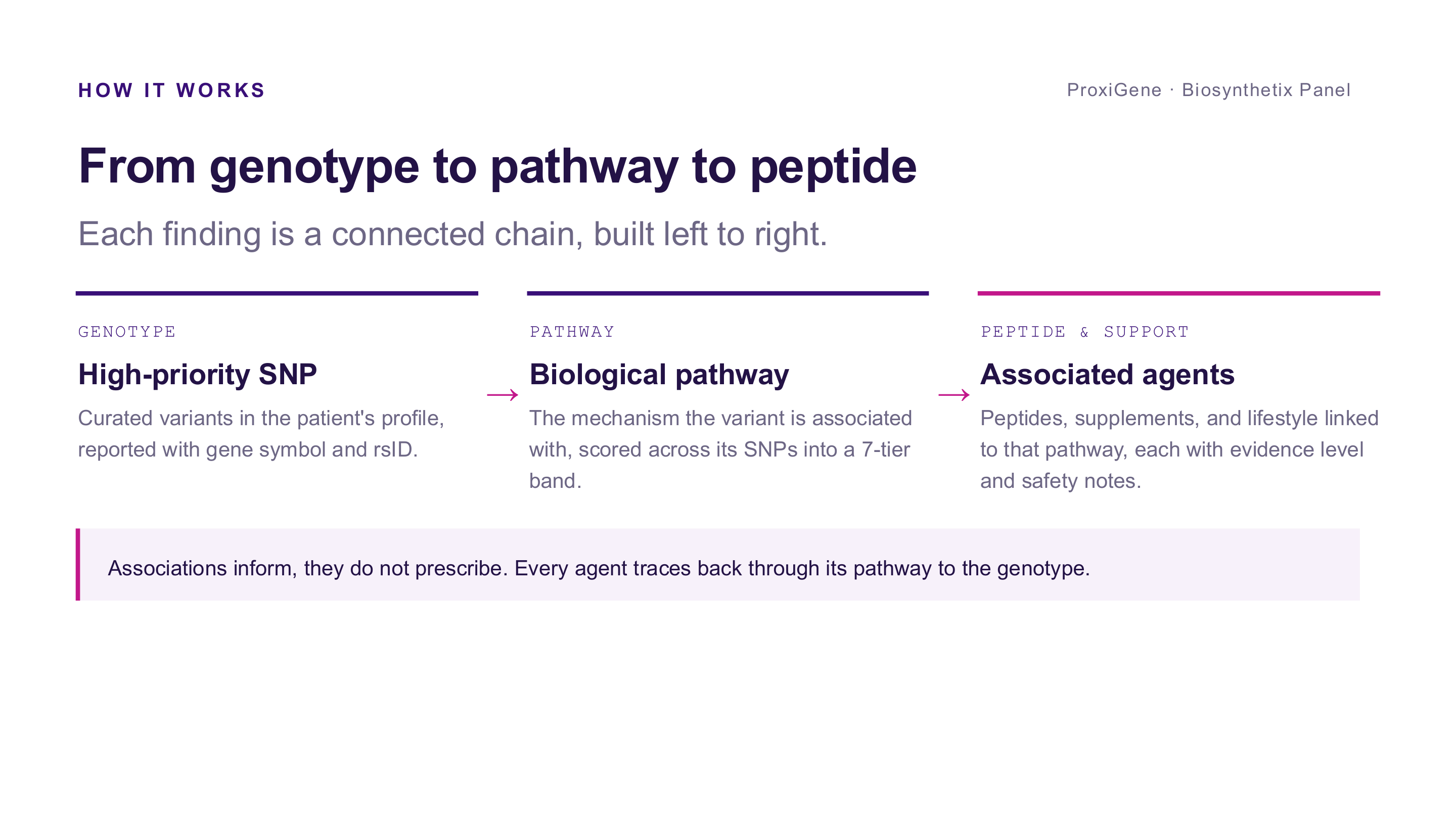
The report's core design decision is that every finding is a connected chain, built left to right. The chain has three links.
1. Genotype
Each curated variant in the patient's profile is reported with its gene symbol, its rsID and the patient's actual genotype, with a plain statement of how many copies of the influence-associated allele they carry. A clinician who wants to check the underlying literature on a specific variant has the rsID in front of them to do it.
2. Pathway
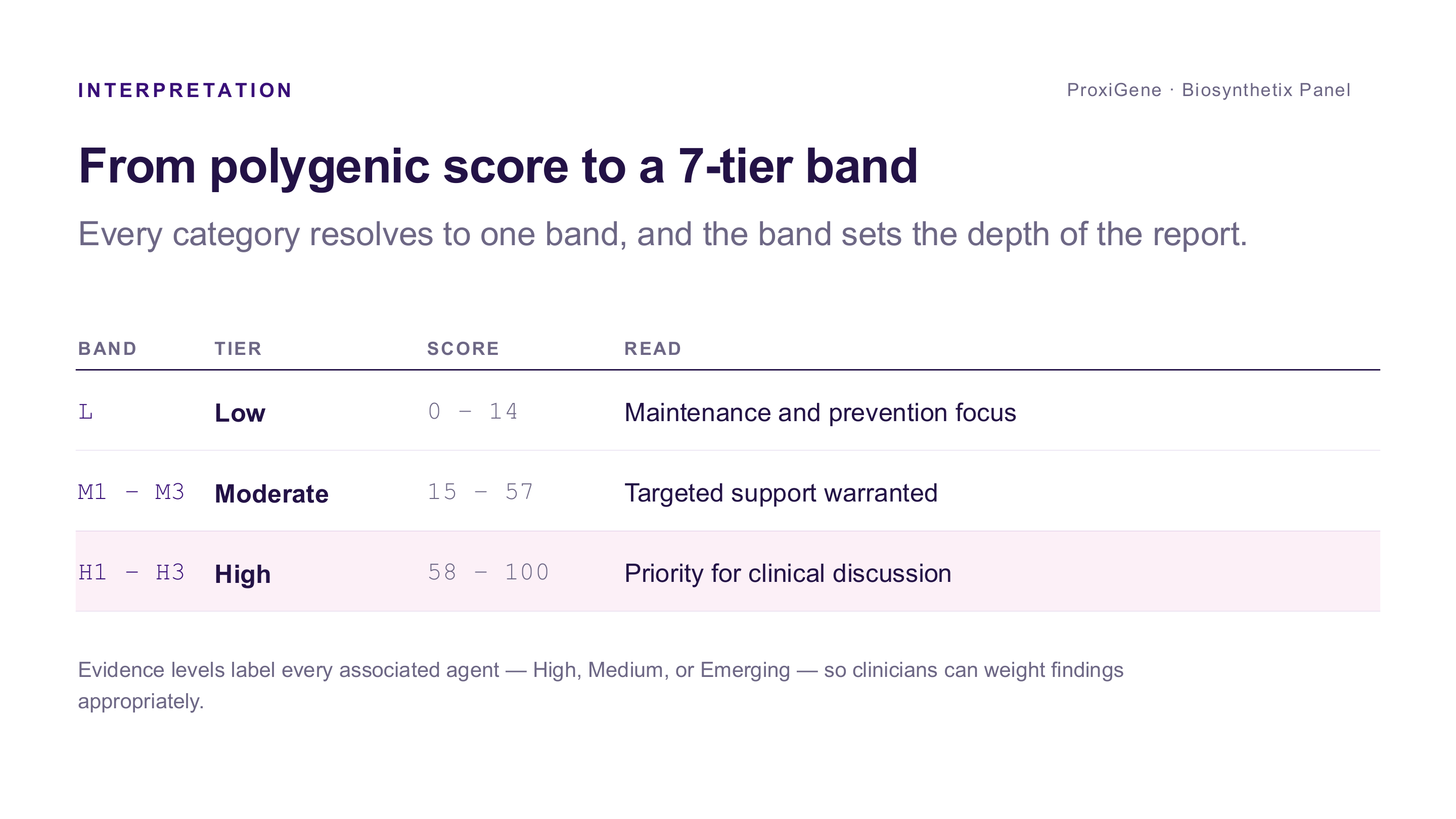
The variant is mapped to the biological mechanism it is associated with. That pathway is then scored across all of its SNPs, not just one, into a polygenic score from 0 to 100 which resolves to one of seven tiers: L for low, M1 to M3 for moderate, H1 to H3 for high. Low scores of 0 to 14 read as a maintenance and prevention focus. Moderate scores of 15 to 57 read as targeted support warranted. High scores of 58 to 100 read as a priority for clinical discussion.
3. Peptide and support
The pathway is then linked to the therapeutic agents associated with it. The panel's agent library holds more than 200 peptides, compounds and supplements across twelve categories: GLP-1 and metabolic, growth hormone and IGF-1, healing and regenerative, neurological and cognitive, immune and antimicrobial, longevity and anti-ageing, Khavinson bioregulators, hormonal and reproductive, gut and GI, cardiovascular, cosmetic and dermatology, and compounded supplements. Each agent carries an evidence level of High, Medium or Emerging, a mechanism note, and its own safety warnings.
A worked example
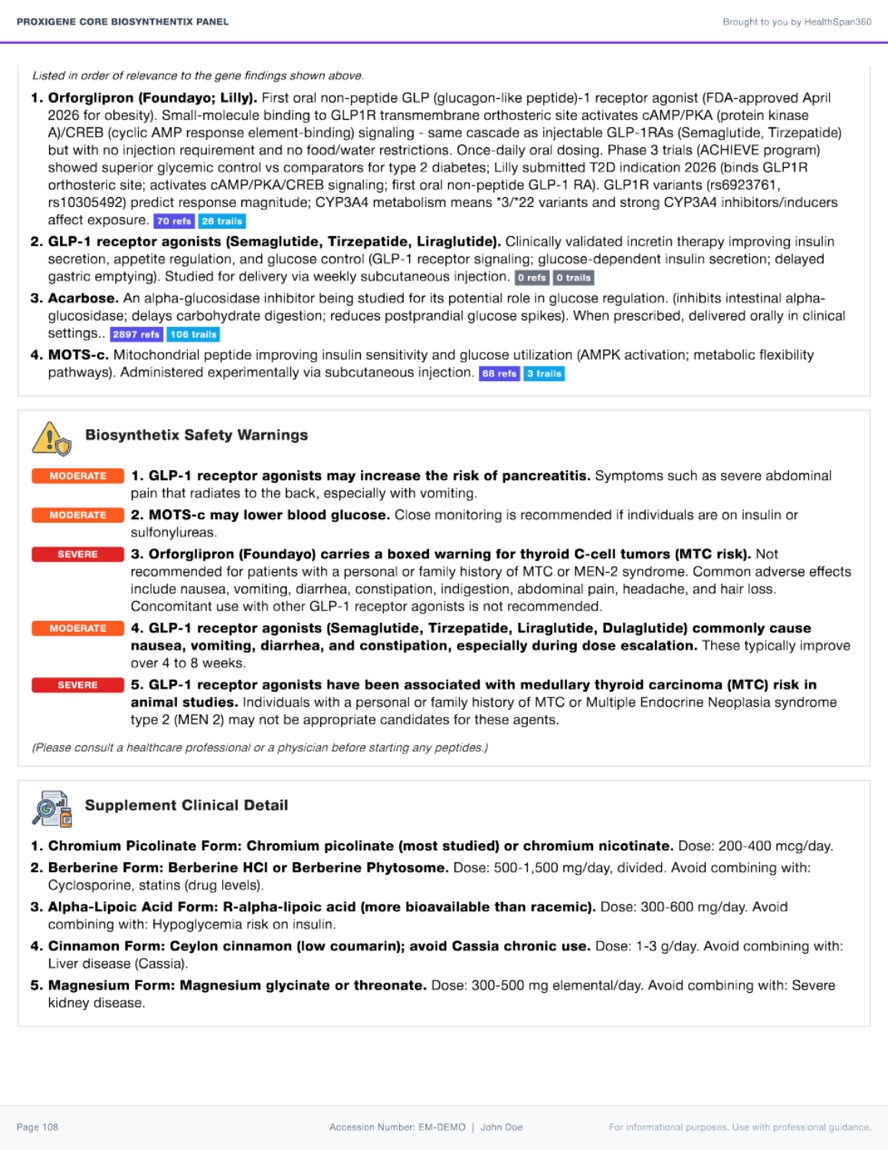
Take the GLP1R variant rs6923761. It sits in the incretin and metabolic pathway. The associated agents are the incretin-based compounds: semaglutide, tirzepatide, liraglutide, the oral non-peptide agonist orforglipron, and the mitochondrial peptide MOTS-c through its insulin-sensitising mechanism. The report lists them in relevance order, states the mechanism for each, tags the number of references and trials behind each association, and then prints the safety block: pancreatitis risk for the GLP-1 class, the medullary thyroid carcinoma boxed warning, the expected GI adverse effects during titration, and the hypoglycaemia caution for MOTS-c in patients on insulin or sulfonylureas.
That is not a treatment recommendation. It is the literature on one variant, one pathway and one drug class, pre-organised so that the clinician spends the visit on judgement rather than on retrieval.
The variant itself has a real literature behind it. Jensterle and colleagues reported in 2015 that GLP1R genetic variability was associated with inter-individual differences in liraglutide's weight-lowering effect. Chedid and colleagues found in 2018 that a GLP1R allele was associated with a greater effect of liraglutide and exenatide on gastric emptying. In 2025, Phan and colleagues reported that a GLP1R gene variant and sex influenced response to semaglutide in patients with severe obesity. Kyriakidou's 2024 paper extended the picture to TCF7L2 and CTRB1/2 variants. This is exactly the kind of evidence a clinic running a GLP-1 programme should know exists, and exactly the kind that is hard to keep current on without help.
What every category ends with
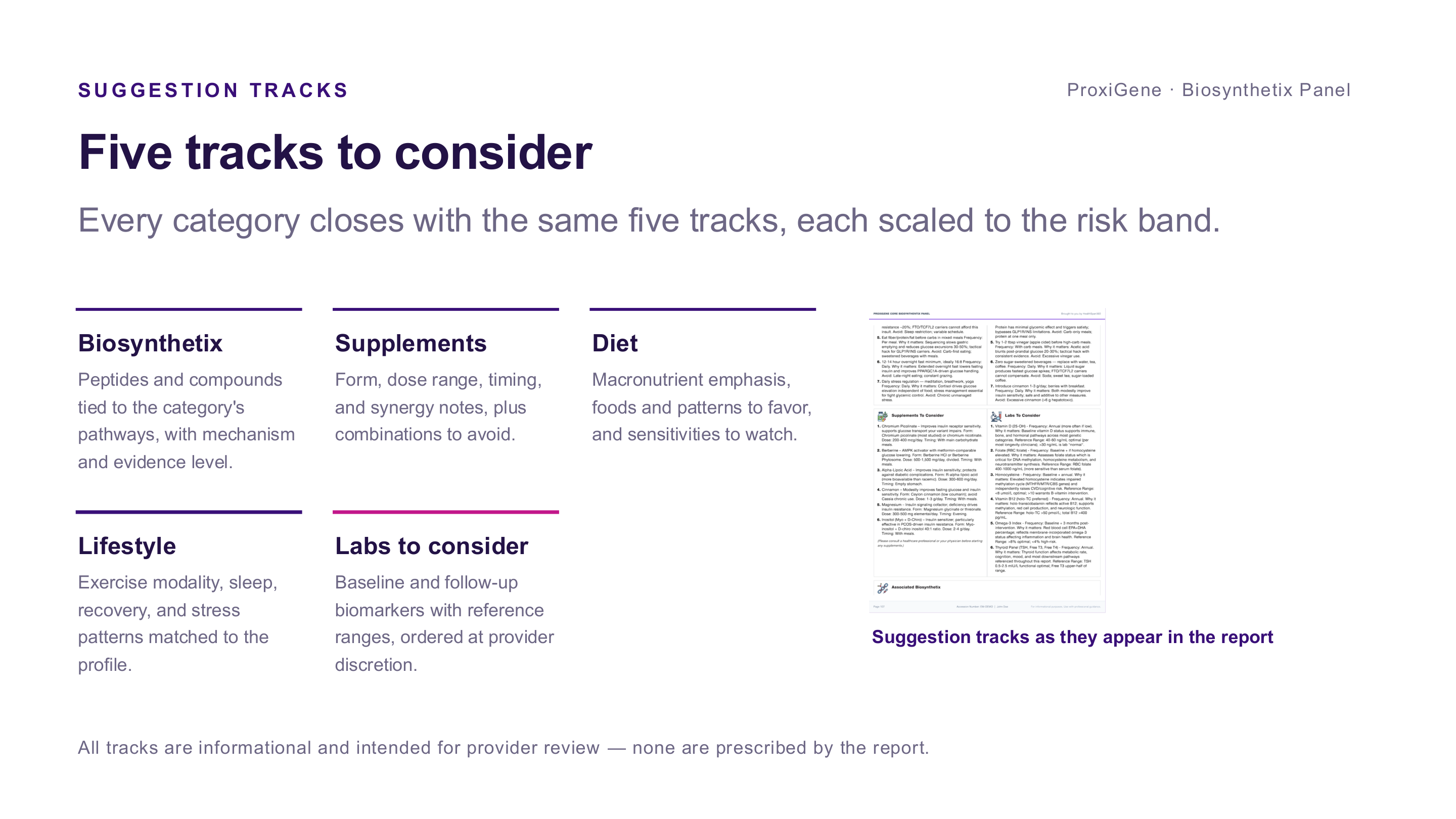
All 44 subcategories close with the same eight ordered blocks, so the layout is learned once and the report reads quickly after the first few pages.
- —Marker findings: the individual SNPs, genotypes and copy counts.
- —Risk assessment and band: the polygenic score and its tier.
- —Lifestyle and diet: exercise modality, sleep, recovery and stress patterns matched to the profile, plus macronutrient emphasis and foods to favour or watch.
- —Supplements to consider: form, dose range, timing and synergy notes, with combinations to avoid.
- —Supplement clinical detail: the pharmacology behind each supplement entry.
- —Associated Biosynthetix: the peptides and compounds tied to the category's pathways, with mechanism and evidence level.
- —Safety warnings: severity-graded, for every listed agent.
- —Interactions and labs: do-not-combine and synergy tables, plus baseline and follow-up biomarkers with reference ranges.
Biomarkers and safety are built in, not bolted on
This is the part of the panel that matters most for a clinic that takes its medical director seriously. Every agent category carries its baseline and monitoring references, typically a CBC, comprehensive metabolic panel, lipids, and the hormone or organ markers relevant to that category. The labs-to-consider block for a metabolic category, for example, lists vitamin D, RBC folate, homocysteine, holo-transcobalamin B12, omega-3 index and a full thyroid panel, each with a reference range and a note on why it matters for that patient's specific variants.
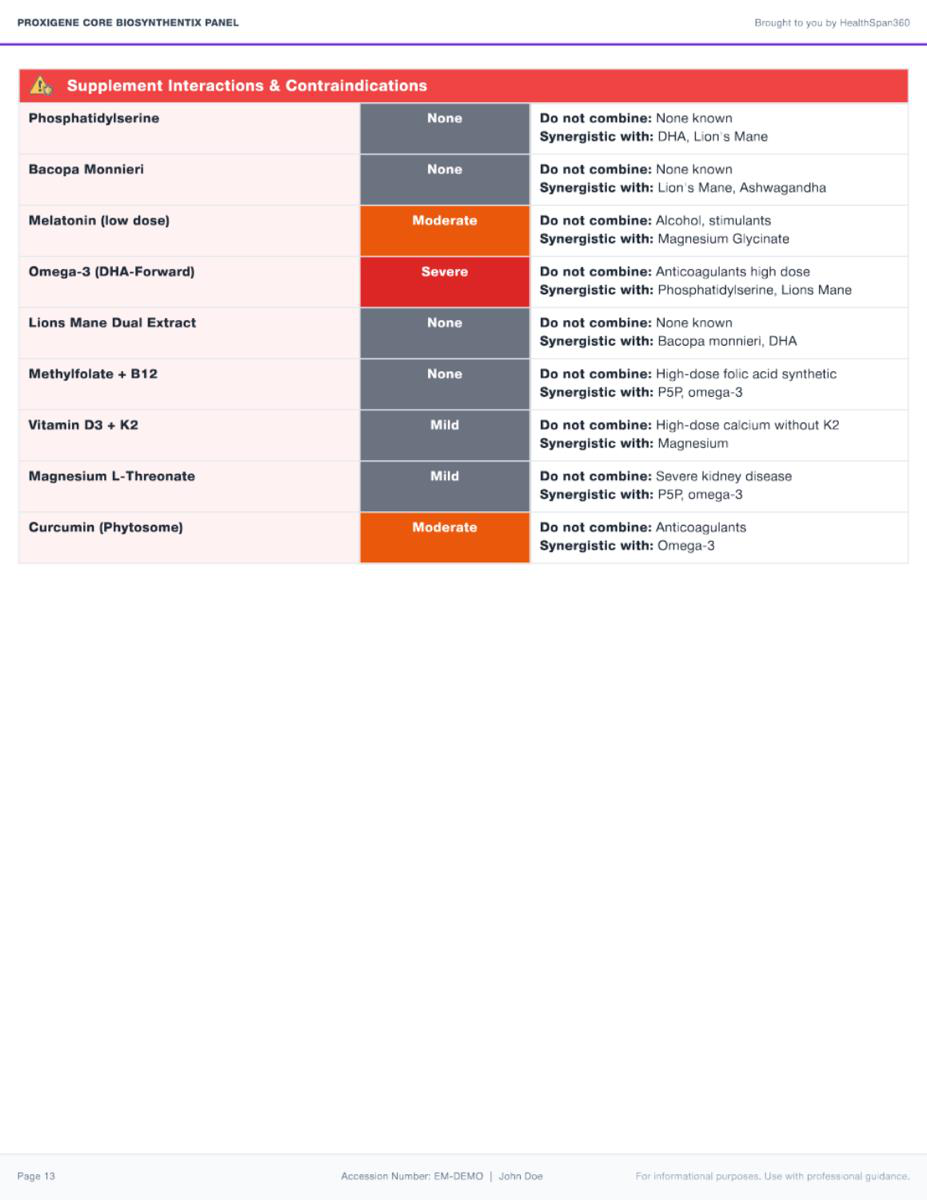
Interaction awareness is rendered on every supplement and peptide as a severity-graded table: anticoagulants with high-dose omega-3, serotonergic stacking, MAOI considerations, and the specific drug-level interactions of compounds like berberine. Categories that touch active malignancy, cardiovascular, renal, hepatic or pregnancy concerns carry explicit provider-review notes.
The practical effect is that the report arrives with the monitoring plan already attached. If your clinic runs the panel through Proximity Labs, the follow-up biomarkers are the same ones the lab billing programme is built around, which is why the two services fit together.
Why this matters more for peptide therapy than for anything else
Peptide protocols are unusual among clinical interventions in three ways, and each one is a reason the genetic layer matters.
First, they are long. A GLP-1 programme, a growth hormone secretagogue protocol or a hormone optimisation plan runs for months and often for a year or more. A one-time test that improves the odds of a good outcome is amortised over that entire period.
Second, response variance is wide and mostly unexplained. Two patients on identical semaglutide protocols with the same starting weight and the same activity level can end six months apart in outcome. The GLP1R literature above is one piece of the explanation. The mitochondrial, methylation and inflammatory pathways are others. Without a genetic layer, the clinic adjusts by trial and error, and the trial-and-error window is exactly when patients discontinue.
Third, the category has very little regulatory scaffolding. There is no FDA label to fall back on for most of these compounds. A clinic's defensibility rests on documentation: a rationale for the protocol, a monitoring plan, and a record of the safety considerations reviewed. A report that puts all three in writing before the first injection is a compliance asset as much as a clinical one.
Association-precise language keeps findings defensible in any clinical conversation. That is the standard the panel is written to.
How the workflow runs
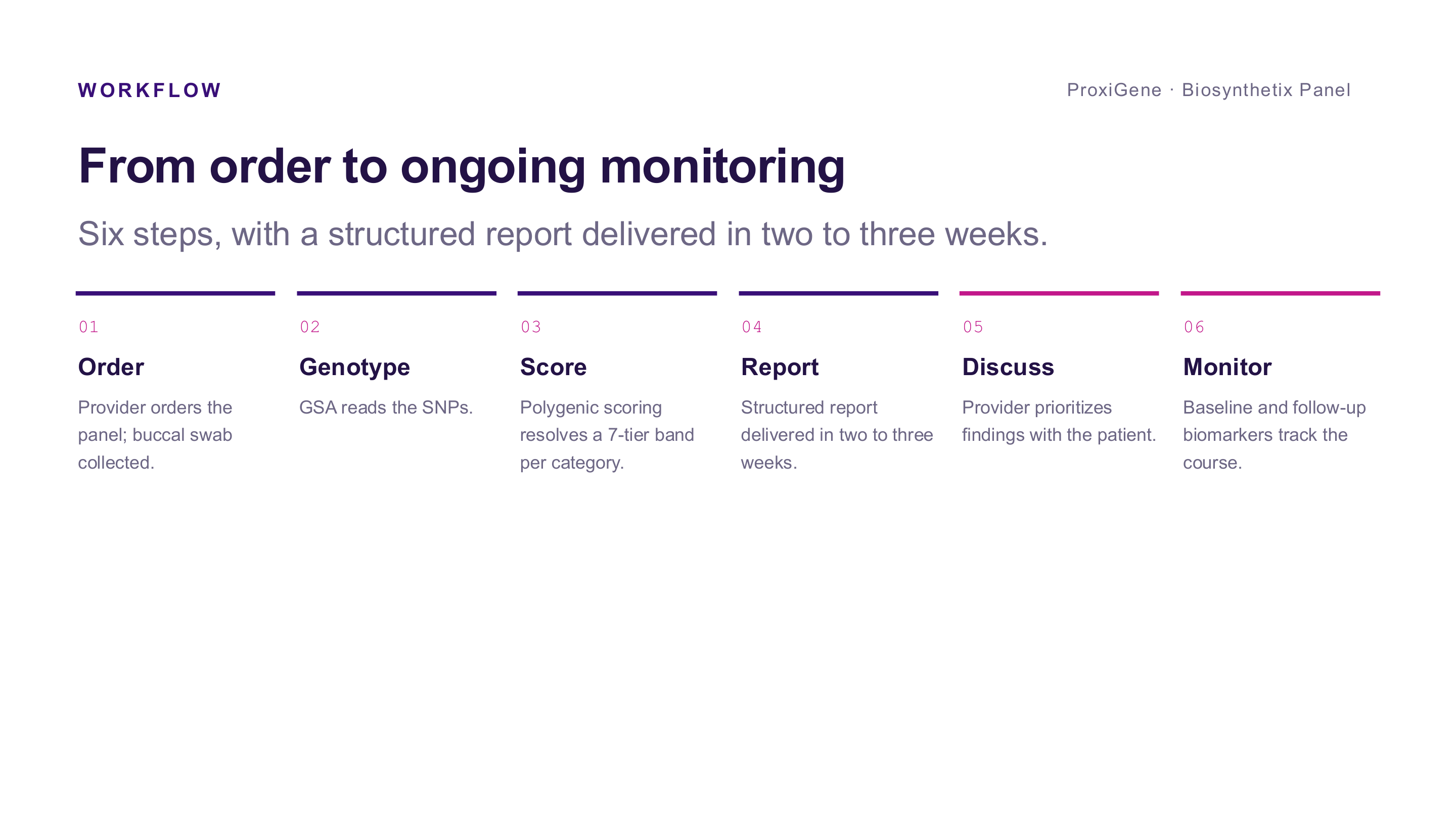
Six steps, with a structured report delivered in two to three weeks.
- —Order. The provider orders the panel and a buccal swab is collected, either in clinic or by mailing the kit to the patient.
- —Genotype. The sample is run on a Global Screening Array in a CLIA-certified laboratory.
- —Score. Polygenic scoring resolves each of the 44 subcategories to its seven-tier band.
- —Report. The structured report is delivered to the ordering provider.
- —Discuss. The provider prioritises findings with the patient, usually starting from the high-band categories.
- —Monitor. Baseline and follow-up biomarkers track the course of whatever protocol follows.
The panel is not a consumer product. It is provider-ordered, and the report is written for provider review. Patients receive it through their clinician, which is where the interpretation belongs.
What the panel does not do, and why that is the point
Every honest account of genetic testing in wellness has to include the limits, and the panel's design is built around them.
It informs. It does not prescribe.
No agent in the report is prescribed by the report. Every association is labelled as informational and intended for provider review. This is the correct framing for the evidence base: most single-variant associations with treatment response are modest in effect size and come from studies of hundreds rather than thousands of patients. The panel handles this by scoring across many SNPs into a band rather than over-reading any single variant, and by labelling every agent with an evidence level.
Genes are one input, not the answer.
The FTO story is the cautionary tale worth knowing. FTO variants are among the strongest common genetic contributors to obesity risk. Livingstone and colleagues pooled individual data from 9,563 participants across eight randomised trials in the BMJ in 2016 and found that FTO genotype did not change how well people responded to diet, exercise or drug-based weight loss interventions. Carrying a risk variant did not mean the intervention worked less well. That is why the panel reports risk bands as a starting point for a conversation about support, not as a prediction of outcome.
It is a laboratory-developed test.
The panel is performed in a CLIA-certified laboratory as a laboratory-developed test. It is not FDA-cleared, and it does not diagnose, treat, cure or prevent disease. That is the same regulatory status as the majority of specialised genetic and pharmacogenomic panels in clinical use, and it should be stated plainly in patient-facing materials and consent.
Polygenic scores are a research tool becoming a clinical one.
Lewis and Vassos's 2020 review in Genome Medicine is the reference on where polygenic scores stand. They are moving from research instruments to clinical ones, and the move is not finished. The Clinical Pharmacogenetics Implementation Consortium, ten years into its work, still has published guidelines for only a subset of gene-drug pairs, and none for peptides. A clinic that understands this will describe the panel accurately: a structured, evidence-anchored read of a patient's genetics, organised for the conversation you are already having.
Where the nutrient and lifestyle tracks come from
The non-peptide tracks are not filler. They are drawn from the same nutrigenomic literature that has been accumulating for two decades. Minihane's 2016 review documents how genotype shapes EPA and DHA status and responsiveness to increased intake. The Food4Me randomised trial, reported by Fallaize and colleagues in the American Journal of Clinical Nutrition, tested whether APOE genotype changed response to personalised dietary advice. Colson's 2017 meta-analysis of folic acid intervention studies quantified how MTHFR 677 genotype affects folate status markers, which is the basis for the methylation category's supplement and lab recommendations.
The panel's job is to put that literature in front of the clinician at the moment it is relevant, attached to the patient in the room, rather than leaving it in journals.
What clinics are doing with it
The four reasons clinicians give for using the panel are consistent across practices.
- —Translation, not raw data. The report is organised, evidence-anchored genomic context rather than a variant list.
- —Interpretation time. The clinical-conversation framework arrives pre-synthesised, which turns a forty-minute preparation into a ten-minute review.
- —Defensible language. Findings are stated as associations with evidence levels, which holds up in a chart, a consent form and a peer review.
- —Differentiation. A longevity and pharmacogenomic protocol built for personalised-medicine clinics is a genuine distinction in a market where every med spa offers the same GLP-1 programme.
Operationally, the panel adds most for patients entering higher-cost, longer-duration protocols: GLP-1 programmes, growth hormone secretagogue protocols, and hormone optimisation. Medical directors should develop their own criteria for which patient populations benefit most in their specific practice.
How to order
The ProxiGene Biosynthetix Panel is a HealthSpan360 product distributed to clinic partners by Golden Lotus Labs. Panels are ordered through your Golden Lotus Labs partner account or by emailing info@goldenlotuslabs.com. Ask your representative to walk you through the full demonstration report before your first order; it is the fastest way to understand how the report will fit your existing intake and protocol workflow.
Golden Lotus Labs partners receive training on report interpretation and on integrating the panel with Proximity Labs biomarker monitoring, so that the genetic layer, the peptide protocol and the follow-up labs run as one workflow rather than three.
Provider-ordered and informational. Performed in a CLIA-certified laboratory as a laboratory-developed test; not FDA-cleared. The ProxiGene Biosynthetix Panel does not diagnose, treat, cure or prevent disease, and no agent listed in a report is prescribed by the report.